The Truth About “Natural” Hair Products: What Labels Don’t Tell You
The Truth About “Natural” Hair Products: What Labels Don’t Tell You
If you’ve ever stood in a beauty aisle turning bottles around, squinting at ingredient lists, and wondering “Is this actually good for my hair?” you’re not alone.
“Natural” has become one of the most powerful (and misunderstood) words in hair care. Brands use it everywhere: on packaging, ads, influencer posts, and product descriptions. But here’s the truth most people don’t realize:
“Natural” doesn’t automatically mean healthy, effective, or safe for your hair.
In fact, many products labeled natural still contribute to dryness, breakage, buildup, and stalled growthespecially for textured, curly, coily, and protective-style hair.
Let’s break down what “natural” really means, what labels don’t tell you, and how to choose products—especially deep conditioners—that actually support hair health.
What Does “Natural” Really Mean in Hair Care?
Here’s the uncomfortable truth: there is no strict legal definition of “natural” in the beauty industry.
That means:
A product can contain one plant-derived ingredient and still be labeled natural
Synthetic preservatives, fragrances, and fillers can still be present
The term is often used for marketing, not education
Unlike food labeling, hair care products are not required to meet a universal standard to use the word “natural.” This gives brands a lot of flexibility and consumers a lot of confusion.
Bottom line:
“Natural” is a marketing term, not a guarantee of quality.
Why “Natural” Products Sometimes Damage Hair
Many people switch to natural products expecting instant improvement, only to experience:
Dryness
Tangling
Increased shedding
Lack of moisture retention
Hair that feels coated but not nourished
This doesn’t mean natural ingredients are bad. It means formulation matters more than labels.
1. Not All Natural Ingredients Are Balanced
Some natural ingredients are powerful too powerful when not balanced properly.
Examples:
Excessive essential oils can irritate the scalp
High protein plant extracts can cause stiffness
Heavy butters without humectants can block moisture
Hair thrives on balance, not extremes.
2. “Natural” Doesn’t Mean Deeply Penetrating
Many products sit on the hair shaft, creating temporary softness that disappears after one wash.
Healthy hair care—especially conditioning—requires ingredients that:
Penetrate the cuticle
Strengthen from within
Improve elasticity over time
This is where deep conditioning treatments make a major difference.
The Real Purpose of a Deep Conditioning Treatment
A true deep conditioning treatment isn’t just about softness it’s about repair, hydration, and resilience.
Your hair needs deep conditioning when:
It feels dry even after moisturizing
Breakage increases
Protective styles leave hair brittle
Color or heat has weakened strands
Hair lacks elasticity and strength
A quality treatment mask works below the surface to:
Restore moisture balance
Improve manageability
Strengthen weak areas
Reduce breakage
Support long-term growth
This is where many “natural” conditioners fall short they hydrate briefly but don’t repair.
What Labels Don’t Tell You About Ingredients
1. Ingredient Order Matters
Ingredients are listed from highest to lowest concentration. If the star ingredient is at the bottom, it’s likely present in very small amounts.
A high-quality treatment mask places active ingredients where they actually matter—not just for marketing appeal.
2. Water Alone Isn’t Moisture
Many conditioners are water-heavy but lack:
Lipids to seal moisture
Proteins to strengthen
Humectants to retain hydration
Hair doesn’t just need water it needs structure and support to hold onto it.
3. Fragrance Can Hide Weak Formulas
A product that smells amazing can still underperform. Fragrance often masks:
Low concentrations of actives
Poor ingredient synergy
Short-term results
Healthy hair care focuses on performance first, scent second.
Protein vs Moisture: The Balance Most Products Miss
One of the biggest reasons people think “natural products don’t work” is protein overload or moisture imbalance.
Your hair needs both:
Protein for strength and structure
Moisture for flexibility and softness
Too much protein = stiffness and breakage
Too much moisture = limp, weak strands
A well-formulated deep conditioning treatment understands this balance and delivers both—without overwhelming the hair.
Why Formulation Is More Important Than “Clean” Labels
Two products can contain similar ingredients and perform completely differently.
Why?
Ingredient quality
Molecular size
Concentration
How ingredients work together
Luxury hair care isn’t about exotic names it’s about intentional formulation.
This is what separates:
Products that feel good
Products that actually improve hair health
Choosing a Deep Conditioning Treatment That Works
When evaluating a deep conditioning treatment mask, look for one that:
Supports moisture retention, not just surface hydration
Improves elasticity over time
Leaves hair soft and strong
Works on textured, curly, and protective-style hair
Doesn’t rely on heavy buildup or waxy residue
A true treatment should make your hair easier to manage days later, not just immediately after rinsing.
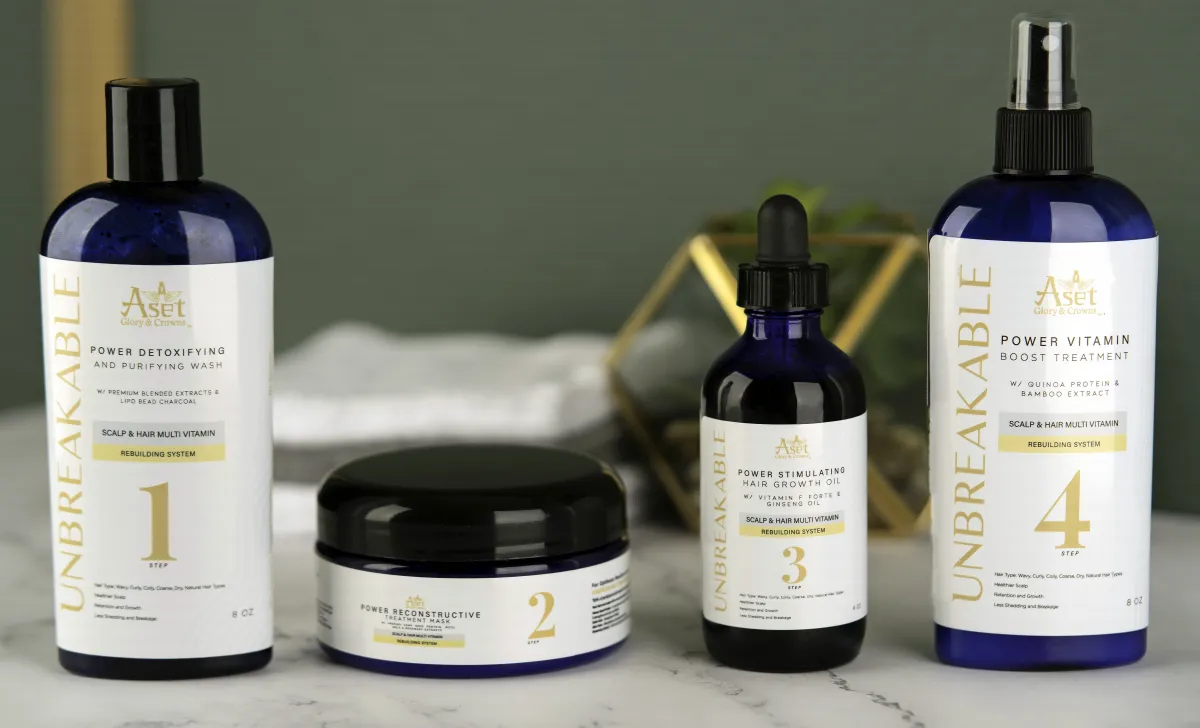
Where Aset Beauty’s Deep Conditioning Treatment Mask Fits In
Aset Beauty’s Deep Conditioning Treatment Mask was created with this exact philosophy in mind: results over labels.
Instead of relying on buzzwords, the formulation focuses on:
Deep hydration without heaviness
Strengthening without stiffness
Ingredients that work with textured hair, not against it
It’s designed to:
Restore hair after protective styles
Support moisture balance
Improve softness and manageability
Help reduce breakage over time
Not as a quick fix but as part of a consistent, healthy hair routine.
How to Use a Deep Conditioning Treatment for Maximum Results
Even the best treatment mask won’t work if used incorrectly.
For best results:
Start with clean hair (product buildup blocks absorption)
Apply generously, focusing on mid-lengths and ends
Detangle gently to distribute evenly
Cover with a cap and allow heat or steam if possible
Rinse thoroughly and follow with your moisturizing routine
Consistency matters more than frequency. Once a week is enough for most hair types.
The Shift From “Natural” to Intentional Hair Care
More consumers are moving away from chasing labels and toward education-based beauty.
That means:
Understanding ingredients
Listening to hair response
Prioritizing long-term health
Choosing treatments that actually support growth
Hair care isn’t about trends—it’s about trusting what works for your hair over time.
Final Thoughts: Healthy Hair Is Informed Hair
“Natural” isn’t the enemy but it’s not the solution either.
Healthy hair comes from:
Balanced formulations
Consistent routines
Quality treatments
Products designed with intention
When you stop shopping by labels and start choosing products that support your hair’s actual needs, everything changes retention, softness, growth, and confidence.
That’s the difference between hair that survives.
and hair that thrives.